Energy & Resources
Power Systems & Grid
Discover governing dynamics of power grid behavior — load flow equations, stability boundaries, and cascading failure mechanisms.
One of 34 industries across 8 sectors served by ARDA — the research discovery engine.
The Challenge
Why Power Systems & Grid needs a new approach to discovery
Modern power grids are among the largest and most complex dynamical systems ever engineered, with thousands of interconnected generators, transmission lines, and loads interacting through nonlinear electromagnetic and electromechanical relationships. Grid operators manage stability, reliability, and efficiency using SCADA telemetry, phasor measurement unit data, and market dispatch signals that generate continuous high-frequency data streams. Despite this instrumentation density, the governing dynamics of grid behavior under stressed conditions — cascading failure pathways, voltage collapse mechanisms, frequency instability — remain difficult to characterize from operational data using conventional power system analysis tools.
Conventional power system analysis relies on simulation models built from equipment nameplate parameters and network topology, but these models diverge from actual grid behavior as systems age, operating conditions shift, and renewable penetration introduces new variability patterns. State estimation techniques provide snapshots of grid conditions without revealing the underlying dynamical relationships that govern how disturbances propagate. As grids integrate increasing shares of inverter-based renewable generation, the governing dynamics change fundamentally — traditional synchronous machine models no longer fully describe system behavior, and new interaction modes between power electronic converters and legacy infrastructure create stability challenges that existing frameworks were not designed to address.
The ARDA Approach
How ARDA transforms power systems & grid
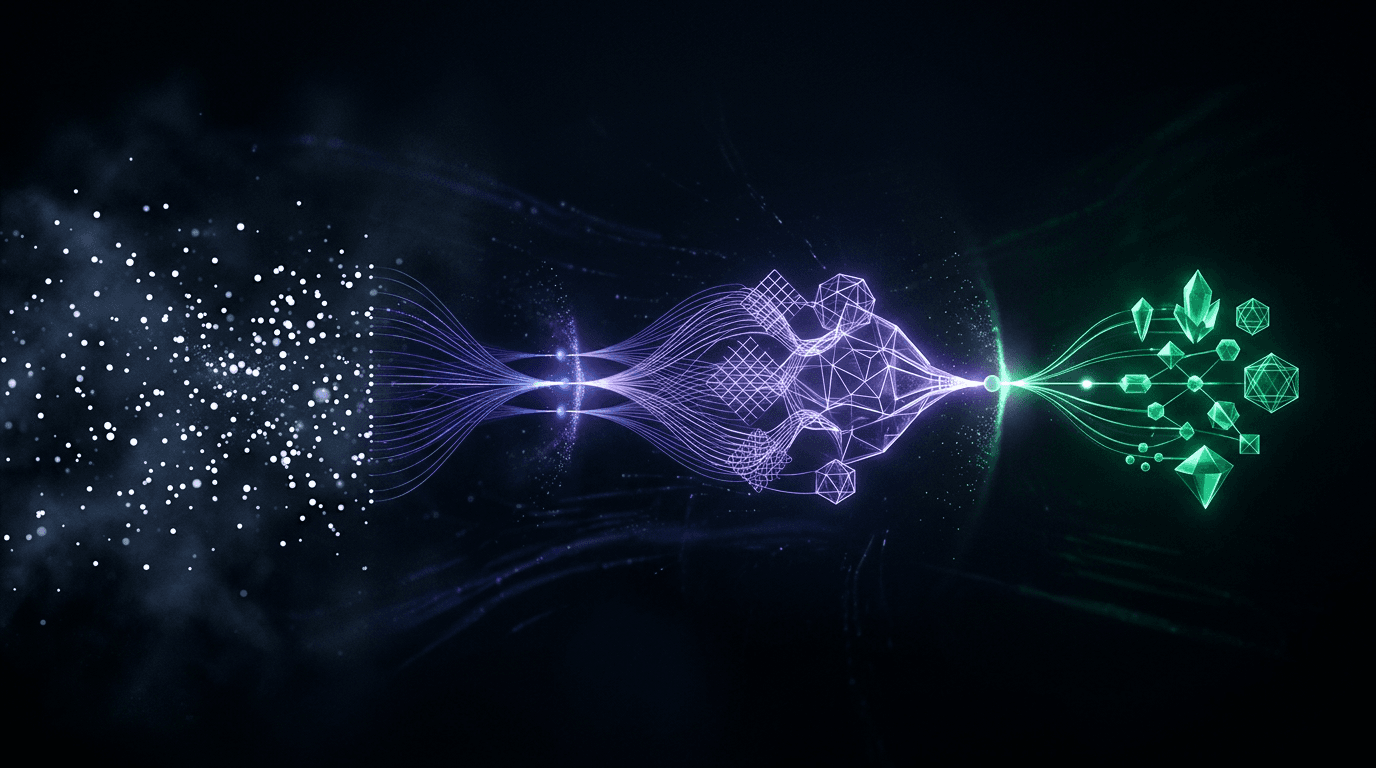
ARDA ingests raw PMU streams, SCADA data, and grid event records, then discovers the governing equations of grid dynamic behavior directly from operational measurements. Rather than relying on topology-based simulation models that require continuous manual updating, ARDA identifies the actual physical relationships — load-flow dynamics, voltage-reactive power coupling, frequency-generation balance laws — as they manifest in real grid data. This data-driven approach captures the true operating dynamics of the grid including aging effects, renewable variability, and power electronic interactions that topology-based models approximate. ARDA's discoveries update continuously as new operational data arrives.
ARDA's regime classification identifies structural transitions in grid behavior — voltage collapse precursors, frequency deviation regimes, cascading failure initiation thresholds — providing early warning capabilities grounded in discovered physics rather than predetermined alarm settings. The Causal mode (powered by CDE) maps the causal pathways of grid disturbances, enabling operators to distinguish root causes from correlated symptoms during complex multi-element events. Every grid dynamics discovery carries full governance through the Evidence Ledger, with deterministic replay ensuring that the physical relationships informing critical infrastructure decisions can be independently verified by regulators and reliability coordinators.
Discovery Engine
The engine behind the discovery
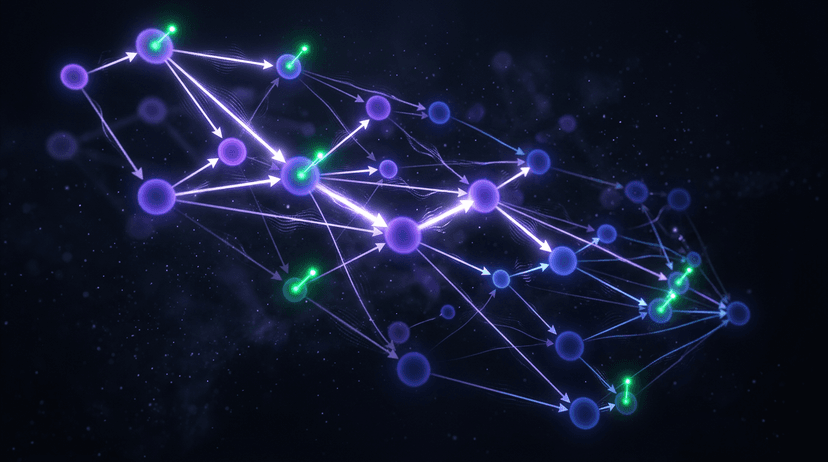
The Causal mode (powered by CDE) is the most critical mode for grid applications, where causal graphs reveal how disturbances propagate through interconnected networks and which protective actions effectively contain cascading failures. Symbolic discovery produces the closed-form load-flow equations and stability boundary conditions that grid planners need for transmission expansion and interconnection studies. The Neuro-Symbolic mode addresses the emerging challenge of grids with high renewable penetration, where neural encoding captures complex inverter-grid interactions before symbolic distillation extracts the interpretable governing relationships needed for reliability standards compliance and interconnection agreements.
Symbolic
Discovers closed-form governing equations — the explicit mathematical laws that describe how systems behave. Produces human-readable, interpretable formulas.

Neural
Deploys physics-informed architectures for high-dimensional, symmetry-rich data where closed-form solutions may not exist.
Neuro-Symbolic
Combines neural encoding with symbolic distillation — learns complex representations first, then extracts interpretable governing laws from those representations.
CDE
The Causal mode, powered by ARDA's Causal Dynamics Engine (CDE), discovers true cause-and-effect relationships from observational data — identifiable causal graphs, regime classifications, and intervention predictions.
Typed Scientific Claims
What ARDA discovers
Every discovery ARDA produces is a typed scientific claim — not a black-box prediction, but a governed, reproducible, auditable piece of scientific knowledge with full provenance.
- Load flow governing equations
- Voltage stability boundary laws
- Frequency response dynamics
- Cascading failure causal models
- Renewable integration dynamics

Governed Discovery
Built for regulated industries
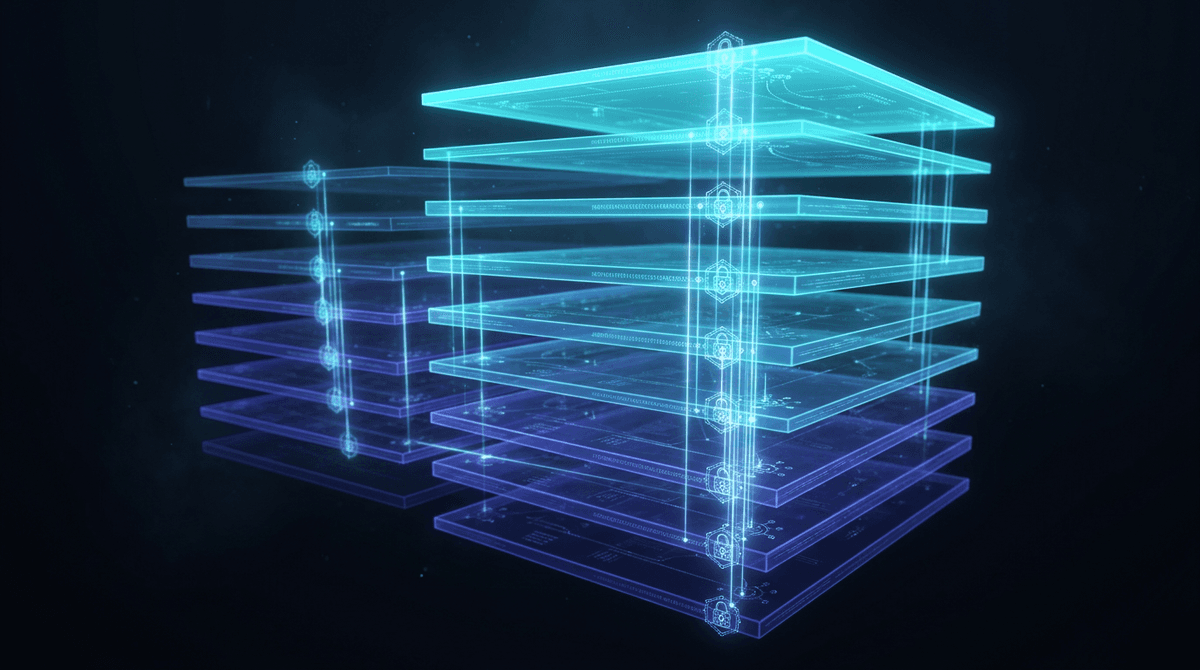
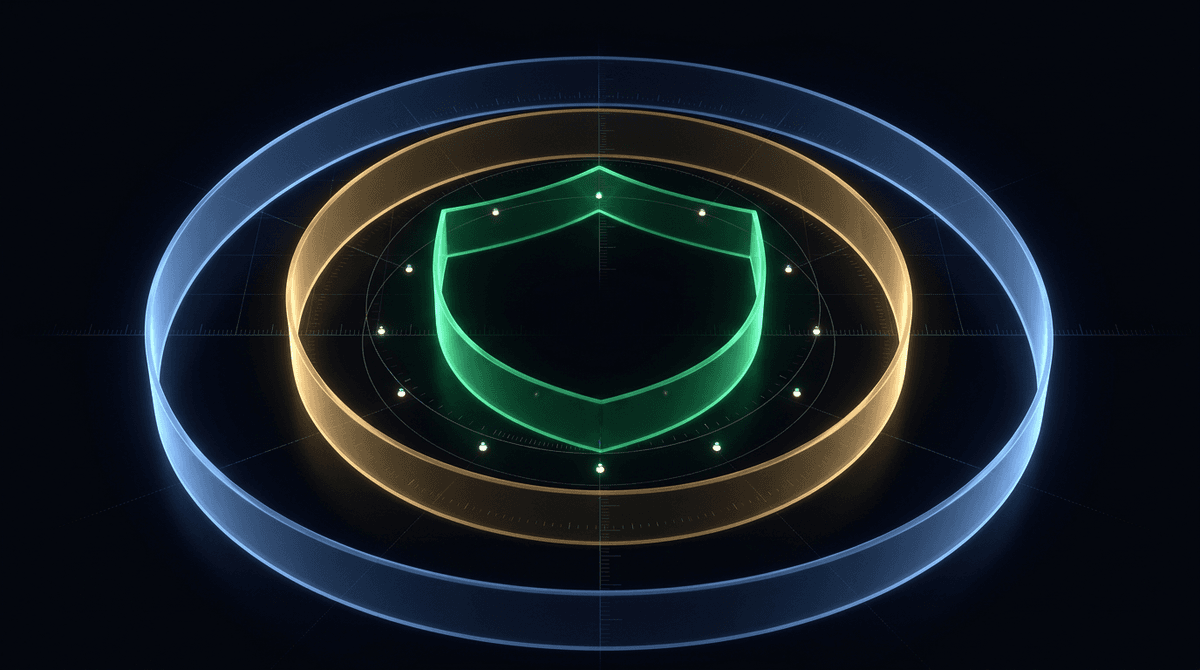
Every discovery ARDA produces carries governance metadata: a Truth Dial setting that controls the confidence threshold, an evidence ledger entry with deterministic replay recipe, and negative control results including bootstrap stability, out-of-distribution testing, and feature shuffle validation.
For power systems & grid, this means every scientific claim is auditable, reproducible, and suitable for regulatory submission, peer review, or board-level decision-making. The governance stack is not optional — it is embedded in every discovery run.
Same sector
Related industries
Oil & Gas
Discover reservoir dynamics, flow equations, and production decline laws from well data with full governance for regulatory compliance.
ViewRenewable Energy
Discover the physical laws governing renewable energy systems — from wind turbine performance to solar panel degradation dynamics.
ViewNuclear & Fusion Energy
Discover confinement scaling, stability dynamics, and transport behavior from tokamak diagnostics, neutron measurements, and reactor kinetics—with governed, auditable scientific claims.
ViewMining & Resource Extraction
Identify governing geomechanical laws and extraction dynamics from drilling, sensor, and production data.
ViewGet started
Start discovering with ARDA
Whether you are exploring power systems & grid data for the first time or scaling an existing research programme, ARDA adapts to your workflow. Create an account, connect your data, and let the engine surface the governing laws hidden in your experiments.